
Marriage Visa Lawyer in Koreatown, California
Marriage-based immigration allows U.S. citizens and lawful permanent residents to sponsor their spouses for lawful residence in the United States. While the process may appear straightforward, immigration laws, documentation requirements, and government procedures often make applications more complex. Couples must complete several immigration forms, provide detailed evidence of their relationship, and follow strict procedural timelines established by federal immigration authorities.
A Marriage Visa Lawyer in Koreatown, California, can help individuals understand immigration requirements, documentation standards, and legal procedures involved in marriage-based visa petitions. Immigration attorneys regularly review applications, verify supporting evidence, and guide clients through government filing procedures. Legal guidance also helps couples prepare for immigration interviews and respond to government requests for additional documentation.
Rod Armande Law provides legal assistance for individuals seeking guidance with marriage-based immigration cases in Koreatown and surrounding communities in Los Angeles. Legal professionals working in immigration law help applicants understand how immigration rules apply to their case and how to prepare documentation for submission to immigration authorities properly.

Understanding Marriage-Based Immigration Visas
Marriage-based immigration visas are designed to allow foreign spouses or fiancé partners of U.S. citizens or lawful permanent residents to enter or remain in the United States legally. These visas help reunite families while ensuring compliance with federal immigration laws and verification procedures.
Common marriage-based visa categories include:
K-1 Fiancé Visa – Allows a foreign fiancé of a U.S. citizen to enter the United States for marriage within 90 days of arrival.
CR1 Spousal Visa – Issued to spouses when the marriage is less than two years old, granting conditional permanent residence.
IR1 Spousal Visa – Provided when the marriage has existed for more than two years, granting permanent resident status without conditions.
Each visa category involves multiple procedural steps, such as petition filing, government review, documentation verification, and an immigration interview.
Marriage-based visa petitions generally require:
Proof of a legally valid marriage or engagement
Evidence of a genuine relationship
Financial sponsorship documentation
Government identification records
Immigration history documentation
Marriage Visa Legal Services in Koreatown, California
The U.S. immigration system offers several different pathways for individuals seeking permanent residency. Each pathway is designed to address specific immigration situations, such as family reunification, employment opportunities, or humanitarian protection.
Family-Based Green Cards
Family sponsorship remains one of the most common ways individuals obtain permanent residency in the United States. U.S. citizens and lawful permanent residents may sponsor certain relatives for immigration benefits.
Immediate relatives of U.S. citizens are given priority under immigration law because their visas are not subject to annual numerical limits. These immediate relatives include:
Spouses of U.S. citizens
Unmarried children under the age of 21
Parents of U.S. citizens who are at least 21 years old
In addition to immediate relatives, U.S. immigration law provides family preference categories for other relationships. These categories are subject to annual visa limits and often involve waiting periods due to high demand.
Family preference categories may include:
Unmarried adult children of U.S. citizens
Married children of U.S. citizens
Siblings of U.S. citizens
Spouses and unmarried children of lawful permanent residents
Because the number of available visas is limited each year, applicants in family preference categories may wait several years before they are eligible to complete the final stage of their green card application.
K-1 Fiancé Visa Application Process
The K-1 fiancé visa allows a foreign national to enter the United States to marry a U.S. citizen. After entering the country, the couple must legally marry within 90 days. Following the marriage, the foreign spouse may apply to adjust status to become a lawful permanent resident.
Key steps in the K-1 visa process include:
Filing the fiancé visa petition with immigration authorities
Government review of the relationship evidence
Visa processing through the U.S. consulate abroad
Entry into the United States
Marriage within the required 90-day timeframe
Application for adjustment of status
Applicants must provide clear evidence of their relationship and proof that they intend to marry within the required timeframe.

CR1 and IR1 Spousal Visa Process
Spousal visas allow a legally married spouse of a U.S. citizen or permanent resident to immigrate to the United States as a permanent resident. The immigration process typically begins with the filing of a family-based immigrant petition.
The spousal visa process generally includes:
Filing the immigration petition by the sponsoring spouse
Government review and petition approval
National Visa Center processing
Submission of civil documents and financial sponsorship forms
Consular interview for the foreign spouse
Entry to the United States as a permanent resident
The difference between CR1 and IR1 visas is based on the duration of the marriage at the time permanent residency is granted.
Financial Sponsorship Requirements in Marriage Visa Cases
Marriage-based immigration petitions often require financial sponsorship documentation to demonstrate that the immigrant spouse will not become a public charge. The sponsoring spouse must complete financial forms and provide supporting documentation of income.
Typical financial sponsorship documents include:
Affidavit of Support forms
Federal tax returns
Employment verification letters
Pay stubs or income statements
Proof of assets if required
If the sponsoring spouse does not meet minimum income requirements, a joint sponsor may sometimes be used.

Immigration Interview Preparation for Marriage Visas
Most marriage-based visa cases involve an immigration interview conducted by immigration officers or consular officials. The purpose of the interview is to verify the authenticity of the relationship and confirm eligibility for immigration benefits.
Common interview topics may include:
Relationship history
Wedding details
Living arrangements
Family connections
plans as a married couple
Applicants may also be asked about personal background information and immigration history.

Requests for Evidence (RFE) in Marriage Visa Applications
Immigration authorities sometimes issue a Request for Evidence (RFE) when additional documentation is required to evaluate a petition. An RFE does not mean the application has been denied; it simply indicates that more information is needed.
Common reasons for RFEs include:
Missing documentation
Insufficient relationship evidence
Incomplete immigration forms
Financial sponsorship issues
Responding to an RFE typically involves gathering additional documentation and submitting it within the specified timeframe.
Adjustment of Status After Marriage
Foreign nationals who enter the United States legally may be eligible to apply for adjustment of status after marrying a U.S. citizen. Adjustment of status allows the applicant to apply for permanent residency without leaving the United States.
The adjustment process typically includes:
Filing adjustment of status forms
Submitting biometric information
Completing a medical examination
Attending a USCIS interview
Receiving a decision on permanent residency
Common Challenges in Marriage Visa Applications
Marriage visa applications can face several challenges that require careful documentation and adherence to legal requirements.
Common issues include:
Insufficient proof of a genuine marriage
Missing or incomplete documentation
Financial sponsorship complications
Immigration interview concerns
Previous immigration violations
Government processing delays
Addressing these issues requires detailed documentation and compliance with immigration procedures.
Importance of Accurate Immigration Documentation
Immigration authorities require detailed and accurate documentation for all marriage-based petitions. Inaccurate information or missing documentation can result in delays or requests for additional evidence.
Important documentation may include:
Government identification records
Birth certificates and marriage certificates
Immigration forms and petitions
Financial sponsorship records
Evidence of shared life and relationship history
Maintaining organized documentation helps immigration officers review applications efficiently.

Marriage Visa Processing Timeline Explained
Marriage-based immigration cases follow a structured timeline established by federal immigration authorities. The duration of the process may vary depending on the visa category, the applicant’s location, government workload, and the completeness of submitted documentation. Understanding the general timeline helps applicants prepare for each stage of the process.
A typical marriage visa timeline may include the following stages:
Petition Filing: The U.S. citizen or lawful permanent resident spouse files the immigration petition with the appropriate immigration agency.
Petition Review: Immigration officers review the petition and supporting documents to confirm eligibility.
National Visa Center Processing: Once approved, cases may move to the National Visa Center for further documentation review and fee processing.
Consular Interview Scheduling: The foreign spouse or fiancé attends an immigration interview at a U.S. embassy or consulate.
Visa Issuance and Entry: After approval, the applicant receives a visa and can enter the United States.
The timeline may vary depending on the accuracy of the documentation and government processing times. Attorneys at Rod Armande Law assist clients in understanding the procedural stages involved in marriage-based immigration cases.
Marriage Visa Document Checklist
Marriage visa petitions require detailed documentation to demonstrate eligibility and confirm the authenticity of the marital relationship. Immigration authorities carefully review these records to verify that the marriage is legitimate and that the applicant meets immigration requirements.
Common documents required for marriage visa petitions include:
Personal Identification Documents
Passports for both spouses
Birth certificates
Government-issued identification records
Marriage Documentation
Certified marriage certificate
Divorce decrees or death certificates from previous marriages (if applicable)
Relationship Evidence
Photographs of the couple together
Travel records and tickets
Communication history (emails, messages, or call logs)
Affidavits from friends or family members
Financial Sponsorship Documents
Affidavit of Support forms
Tax returns
Pay stubs and employment verification letters
Consular Processing for Marriage Visas
Consular processing is a procedure used when the foreign spouse resides outside the United States. After the immigration petition is approved, the case is transferred to a U.S. embassy or consulate in the applicant’s home country.
The consular processing procedure typically includes:
Case transfer to the National Visa Center
Submission of civil documents and visa application forms
Payment of visa processing fees
Scheduling of a visa interview at a U.S. consulate
Medical examination performed by an authorized physician
Interview with a consular officer
During the interview, immigration officials evaluate the relationship and verify the documentation provided in the petition. After approval, the applicant receives an immigrant visa, which allows entry into the United States.
Conditional Green Card and Removal of Conditions
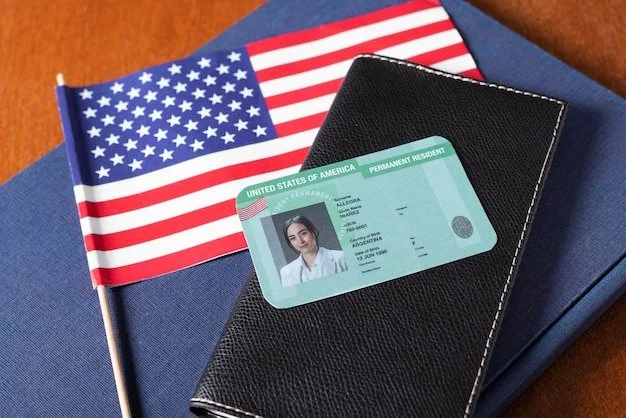
When a marriage is less than two years old at the time permanent residence is granted, the foreign spouse receives conditional permanent resident status. This status is valid for two years and requires additional steps to obtain full permanent residency.
To remove the conditions, the couple must file a joint petition before the conditional status expires. The petition confirms that the marriage remains genuine.
Documentation for removing conditions may include:
Updated photographs of the couple
Joint financial records
Lease or property ownership documents
Insurance policies listing both spouses
Birth certificates of children, if applicable
Immigration authorities review these records to confirm the legitimacy of the marriage.
Immigration Medical Examination Requirements
Marriage visa applicants must complete a medical examination conducted by a government-approved physician. The purpose of this examination is to ensure that the applicant meets public health requirements established by immigration authorities.
The medical examination may include:
Review of vaccination history
Physical examination by a licensed physician
Screening for certain communicable diseases
Verification of required vaccinations
The results of the medical examination must be submitted as part of the immigration application or presented during the visa interview process.
Adjustment of Status for Spouses in the United States
Adjustment of status is a process that allows eligible foreign nationals already present in the United States to apply for permanent residency without returning to their home country. This process is commonly used when a foreign national marries a U.S. citizen while legally present in the United States.
The adjustment of status process generally includes the following steps:
Filing the adjustment of status application package
Submission of biometric information (fingerprints and photographs)
Completion of a medical examination
Attending an interview with immigration officers
Receiving a decision regarding permanent resident status
Applicants must provide documentation confirming the marriage, identity, and financial sponsorship.

Marriage Visa Denials and Possible Reasons
Marriage visa petitions can sometimes be denied if immigration officers determine that eligibility requirements have not been met. Understanding common reasons for denial helps applicants prepare stronger documentation.
Possible reasons for marriage visa denial may include:
Insufficient evidence of a genuine marriage
Incomplete or inaccurate immigration forms
Failure to meet financial sponsorship requirements
Immigration fraud concerns
Prior immigration violations or criminal issues
In some cases, immigration authorities may request additional documentation before making a final decision. Applicants may also have options to refile petitions or address issues identified by immigration officers.
Importance of Maintaining Immigration Records
Maintaining organized immigration records is important throughout the marriage-based immigration process. Proper documentation helps applicants respond to government requests and demonstrate compliance with immigration requirements.
Important records to keep include:
Copies of immigration petitions and applications
Government correspondence and notices
Financial sponsorship documents
Relationship evidence and updated records
Travel and immigration history documentation
Organized recordkeeping helps ensure that applicants have access to necessary documentation during different stages of the immigration process.
Legal Information for Marriage Visa Applicants
Marriage visa petitions must follow strict federal immigration regulations and documentation standards. Applicants who need a clearer understanding of immigration procedures, eligibility rules, and supporting evidence requirements may review their case with Rod Armande Law, serving individuals with marriage-based immigration matters in Koreatown, California.
Frequently Asked Questions About Marriage Visa Lawyer in Koreatown, California
-
Processing times vary by visa category and government workload. Some cases may take several months, while others may take longer, depending on documentation review and interview scheduling.
-
Applicants typically submit marriage certificates, photographs, joint financial records, travel documentation, and communication records to demonstrate a genuine marital relationship.
-
Conditional permanent residence applies to marriages less than two years old. The couple must later file a petition to remove conditions and obtain full permanent resident status.
-
Yes. Immigration authorities may review documentation, conduct interviews, and evaluate evidence of the relationship to confirm that the marriage is legitimate.
-
Immigration policies and procedures can change over time. Applicants must follow the most current requirements established by immigration authorities.