
Car Accident Attorney Montebello, California
Car accidents are among the most common causes of injury and financial hardship in urban communities across California. Busy roadways, heavy commuter traffic, and driver distractions contribute to a significant number of collisions each year. In cities like Montebello, where residential streets intersect with major traffic routes, even a minor mistake on the road can lead to serious accidents and long-term consequences.
Individuals involved in a motor vehicle collision often face more than physical injuries. Medical treatment, vehicle repairs, insurance claims, and lost wages can create complex financial and legal challenges. In addition, determining fault and navigating insurance procedures may be confusing for individuals who have never dealt with a personal injury claim before.
A Car Accident Attorney in Montebello, California focuses on helping individuals understand their rights and responsibilities after an accident. Legal professionals examine accident circumstances, review available evidence, and guide injured individuals through the claims process. Their work often involves interpreting personal injury laws, evaluating liability, and assisting with insurance negotiations.
Understanding how accident claims work can help individuals make informed decisions following a crash. Knowledge about accident causes, available compensation, and legal procedures also provides a clearer picture of what to expect during recovery and claim resolution.

Understanding Car Accident Claims in Montebello, California

Car accident claims in Montebello, California, are governed by personal injury laws designed to determine liability and compensate individuals who suffer harm due to another person’s negligence. When a motor vehicle collision occurs, the injured party may seek compensation through an insurance claim or, in some situations, through a civil lawsuit.
Montebello, California, follows a fault-based system, which means the driver responsible for causing the accident is generally liable for damages. However, determining fault can require a careful investigation. Police reports, witness statements, photographs, and accident reconstruction may all be used to determine what happened.
Another important legal principle in Montebello, California, is comparative negligence. Under this rule, more than one party may share responsibility for an accident. If an injured individual is partially at fault, their compensation may be reduced according to their percentage of responsibility.
For example, if a driver is found to be 20% responsible for a collision, their financial recovery may be reduced by that percentage. This system allows claims to move forward even when fault is shared among multiple parties.
Car accident claims may involve several steps, including:
Filing an insurance claim
Documenting injuries and medical treatment
Determining liability
Negotiating a settlement
Filing a lawsuit if a settlement cannot be reached
Understanding these procedures can help accident victims prepare for the legal and administrative steps that follow a collision.
Common Causes of Car Accidents in Montebello
Motor vehicle accidents can occur for many reasons. In most cases, collisions are linked to human error, unsafe driving behavior, or road conditions. In cities such as Montebello, increased traffic volume and busy intersections may increase the likelihood of accidents.
Some of the most common causes of car accidents include:
Distracted Driving: Drivers who use mobile phones, adjust navigation systems, or engage in other distractions may lose focus on the road. Even a brief moment of distraction can result in a serious collision.
Speeding: Driving above the posted speed limit reduces reaction time and increases the severity of accidents. High-speed crashes often lead to significant injuries and property damage.
Driving Under the Influence: Alcohol or drug impairment affects judgment, coordination, and reaction time. Impaired driving continues to be a major factor in many traffic accidents across California.
Failure to Obey Traffic Signals: Running red lights, ignoring stop signs, or failing to yield can lead to dangerous intersection collisions.
Unsafe Lane Changes: Improper merging or sudden lane changes may cause side-impact accidents, especially on highways and multi-lane roads.
Poor Road Conditions: Damaged road surfaces, construction zones, and inadequate signage may also contribute to accidents.
Weather Conditions: Although Southern California experiences relatively mild weather, rain and reduced visibility can increase accident risks.
Understanding accident causes helps investigators determine liability and identify contributing factors in personal injury claims.
Types of Car Accidents That May Require Legal Assistance
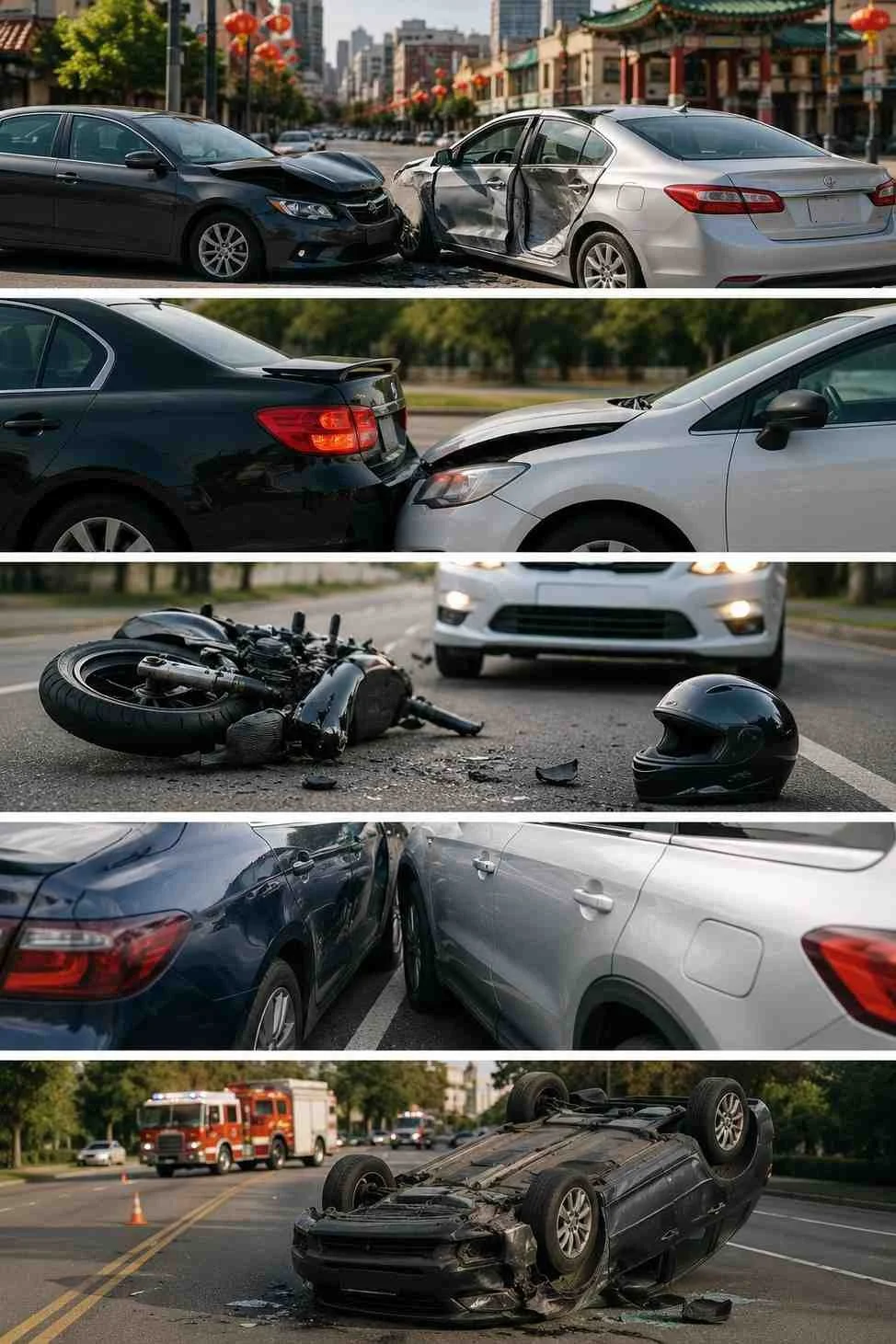
Car accidents can occur in many forms, and each type of collision presents different legal and medical challenges. The severity of injuries and the complexity of determining fault often depend on the nature of the crash.
Rear-End Collisions: Rear-end accidents occur when one vehicle strikes the back of another. These collisions are commonly associated with distracted driving or sudden braking.
Head-On Collisions: Head-on crashes happen when two vehicles traveling in opposite directions collide. These accidents often result in severe injuries because of the combined impact speed.
T-Bone Accidents: Also known as side-impact crashes, T-bone accidents typically occur at intersections when one vehicle strikes the side of another.
Multi-Vehicle Collisions: Accidents involving several vehicles can make liability determinations more complicated. Multiple insurance companies may be involved in these cases.
Hit-and-Run Accidents: In some situations, a driver leaves the scene of the accident without providing contact information or assistance. These cases often require additional investigation.
Rideshare Accidents: Collisions involving rideshare services may involve additional insurance policies and corporate liability considerations.
Highway Accidents: High-speed accidents on major roadways often result in serious injuries and complex claims.
Each type of accident may require a detailed investigation to determine how the crash occurred and who may be responsible.
Common Injuries Resulting from Car Accidents
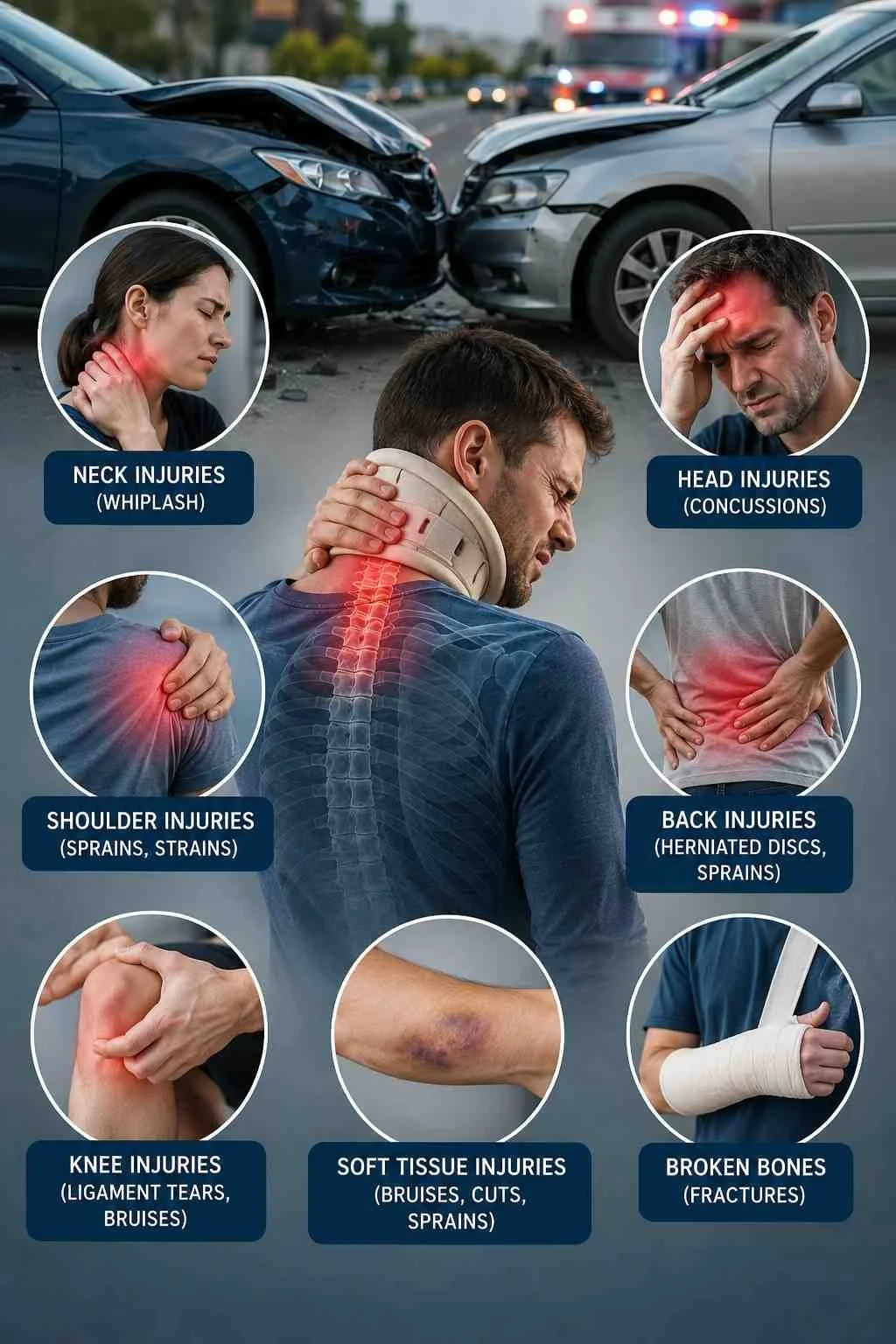
Car accidents can cause a wide range of injuries, from minor bruises to life-altering conditions. The severity of injuries often depends on factors such as vehicle speed, point of impact, and whether safety equipment like seat belts or airbags were used.
Some frequently reported car accident injuries include:
Whiplash and Soft Tissue Injuries: Sudden movement of the neck during a collision can strain muscles and ligaments. These injuries are common in rear-end accidents.
Broken Bones: Fractures may occur when the body absorbs impact during a crash. Arms, legs, ribs, and collarbones are often affected.
Traumatic Brain Injuries: Head injuries may occur if a person strikes the steering wheel, dashboard, or window during a collision.
Spinal Cord Injuries: Damage to the spine can result in long-term mobility issues or permanent disability in severe cases.
Internal Injuries: Internal bleeding and organ damage may not be immediately visible but require urgent medical attention.
Cuts, Burns, and Lacerations: Broken glass, airbag deployment, and vehicle fires may cause visible injuries.
Psychological Trauma: Accidents may also lead to emotional stress, anxiety, or post-traumatic stress symptoms.
Medical documentation plays an important role in injury claims because it establishes the connection between the accident and the resulting health conditions.
Steps to Take After a Car Accident
Knowing what actions to take after a car accident can help protect both health and legal rights. Even minor accidents should be handled carefully to ensure proper documentation.
Recommended steps include:
Seek medical attention immediately, even if injuries appear minor
Call law enforcement and request a police report
Move to a safe location if possible
Exchange contact and insurance information with other drivers
Take photographs of vehicles, injuries, and road conditions
Collect contact information from witnesses
Notify the insurance company about the accident
Keep records of medical treatment, repair costs, and related expenses
Taking these steps helps create a clear record of the incident and may support any future insurance or legal claims.
Determining Liability in a Car Accident Case
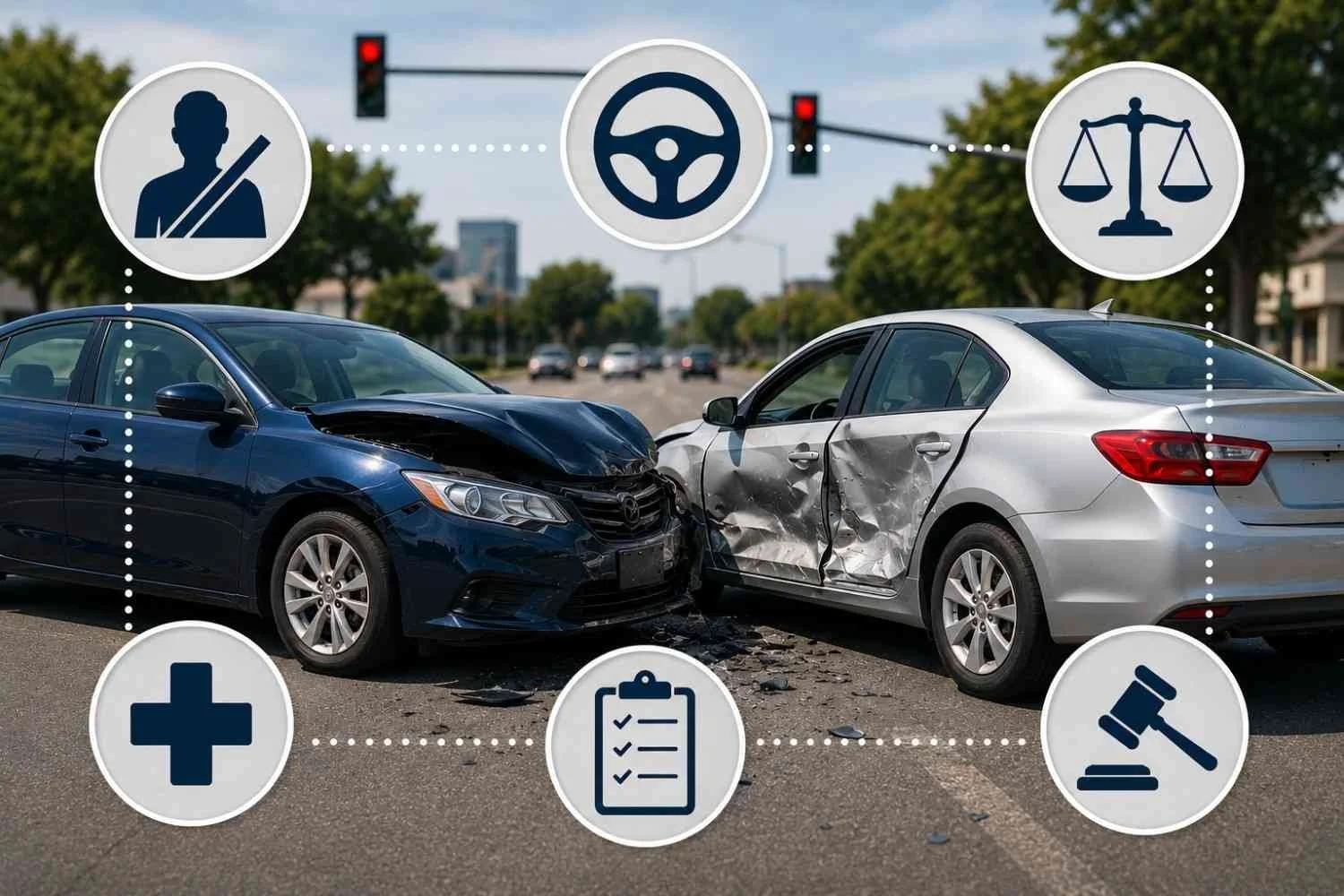
Determining who is responsible for a car accident is one of the most important aspects of a personal injury claim. Liability is established by examining evidence and analyzing the actions of all drivers involved.
Investigators may rely on several sources of information, including:
Police accident reports
Witness statements
Photographs from the scene
Vehicle damage analysis
Traffic camera footage
Accident reconstruction experts
California’s comparative negligence rule means that multiple drivers can share fault. For example, one driver may have been speeding while another failed to yield at an intersection. In such cases, each driver’s percentage of responsibility is calculated to determine how compensation should be allocated.
Accurate liability assessment is essential for resolving insurance claims and determining financial responsibility.
Types of Compensation Available in Car Accident Claims
Individuals injured in car accidents may seek compensation for financial losses and personal hardship caused by the collision. These damages are generally divided into two main categories.
Economic Damages
Economic damages represent measurable financial losses, such as:
Medical bills and hospital expenses
Prescription medication and therapy costs
Lost wages due to missed work
Future medical treatment
Vehicle repair or replacement
Rehabilitation expenses
Non-Economic Damages
Non-economic damages address the personal impact of injuries, including:
Physical pain and suffering
Emotional distress
Reduced quality of life
Loss of enjoyment of daily activities
The total amount of compensation in a claim depends on the severity of injuries, the length of recovery, and the long-term effects on the injured person’s life.
How a Car Accident Attorney Can Assist After a Collision
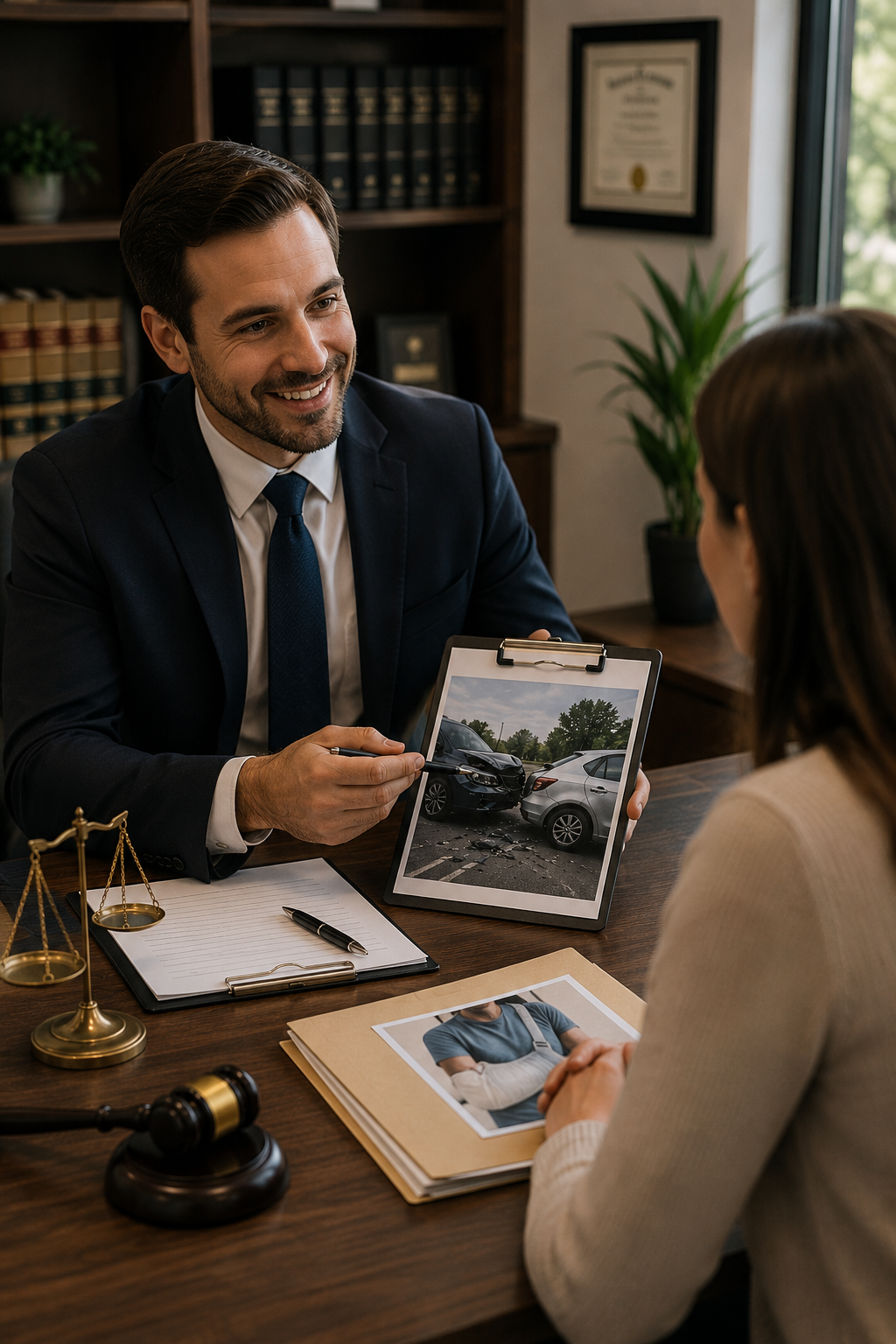
The aftermath of a vehicle collision often involves medical, financial, and administrative challenges. Many individuals must manage medical treatment, vehicle repairs, insurance communication, and documentation at the same time. A Car Accident Attorney helps clarify legal responsibilities and supports individuals through the claims process.
Legal assistance typically begins with a review of the accident circumstances. This review may involve analyzing police reports, examining photographs from the accident scene, and reviewing medical documentation. Attorneys also evaluate whether negligence or traffic violations contributed to the collision.
Legal professionals may assist with several aspects of an accident claim, including:
Evaluating the strength of a personal injury claim
Reviewing accident reports and medical records
Identifying responsible parties
Communicating with insurance companies
Gathering evidence related to the accident
Calculating financial losses associated with injuries
When liability or damages are disputed, attorneys may also consult accident reconstruction specialists or medical experts to better understand the impact of the collision. Their goal is to ensure that all relevant information is considered when assessing the claim.
In cases involving severe injuries or long-term medical care, legal guidance can also help ensure that future medical needs and financial losses are properly documented.
Dealing With Insurance Companies After a Car Accident
Insurance companies play a central role in resolving most car accident claims. After a collision, drivers usually report the incident to their insurance providers. Claims adjusters then review the available information to determine liability and evaluate potential compensation.
Although insurance companies are responsible for processing claims, the process can sometimes become complicated. Adjusters may request extensive documentation or conduct detailed investigations before approving payments. Disputes may arise regarding fault, injury severity, or the cost of medical treatment.
Common issues that arise during insurance claims include:
Disagreements about who caused the accident
Requests for additional medical documentation
Delays in claim processing
Disputes regarding repair costs or medical expenses
Settlement offers that do not reflect the full extent of losses
A legal professional can help individuals understand the information requested by insurance companies and ensure that claims are supported by proper documentation. Communication with insurers often involves submitting medical records, accident reports, and repair estimates to demonstrate the financial impact of the accident.
By organizing documentation and responding to insurance inquiries, individuals may reduce confusion during the claims process.
Car Accident Laws in California
Motor vehicle accident claims in California are governed by several important legal principles. Understanding these rules helps individuals determine whether they may pursue compensation after a collision.
Statute of Limitations
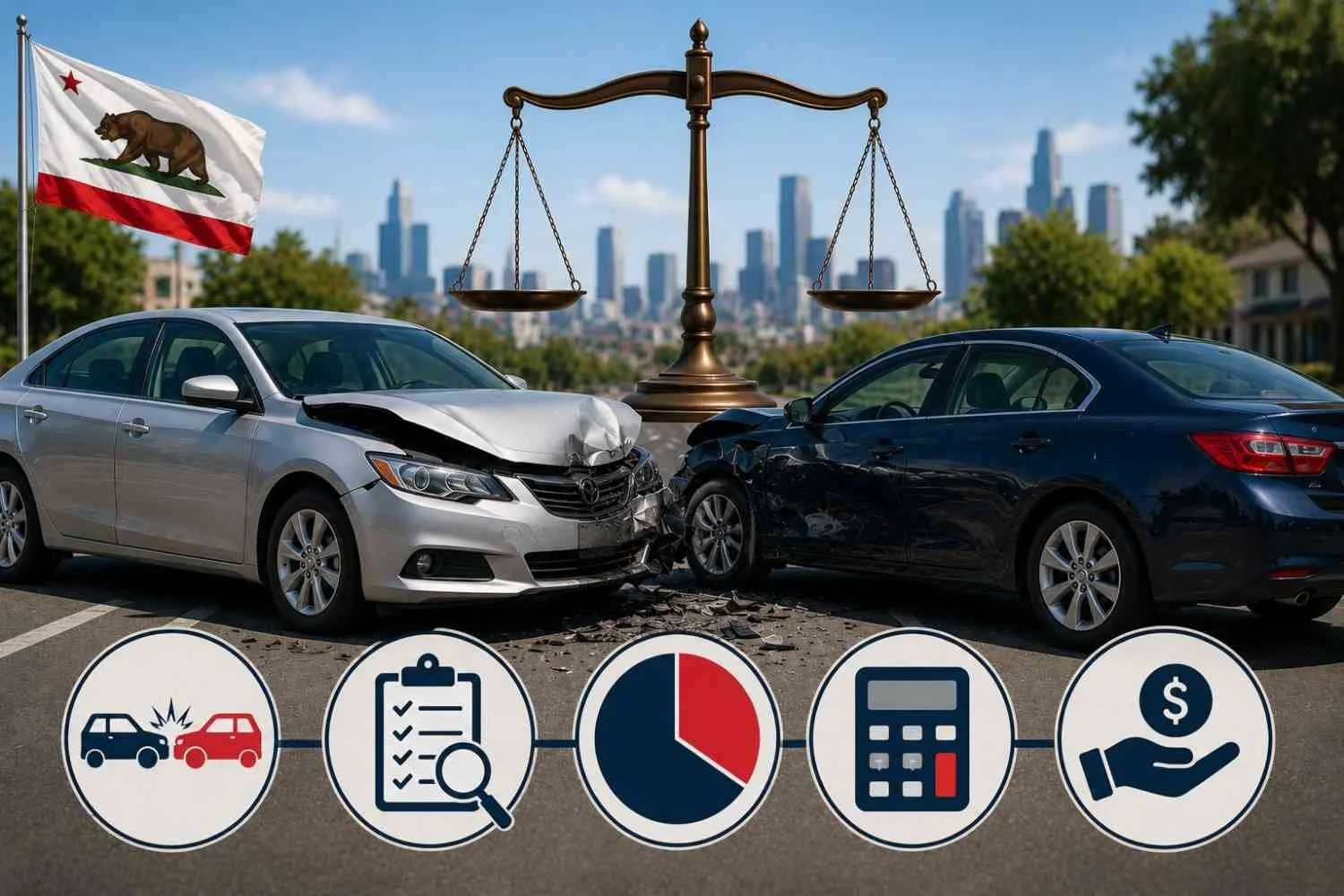
California law establishes a time limit for filing personal injury claims related to car accidents. In most cases, individuals have two years from the date of the accident to file a personal injury lawsuit. If the claim involves property damage only, the filing period may extend to three years.
Failing to file within the applicable deadline may prevent the injured person from pursuing compensation through the court system.
Comparative Negligence
California follows a pure comparative negligence rule. This means that more than one driver may share responsibility for an accident. Compensation is adjusted based on each party’s percentage of fault.
For example, if a driver is found to be 30% responsible for the accident, their financial recovery may be reduced by that amount.
Minimum Insurance Requirements
Drivers in California are required to carry a minimum level of liability insurance coverage. These requirements help ensure that individuals involved in accidents have access to financial resources for injury and property damage claims.
Typical minimum coverage requirements include:
$15,000 for injury or death to one person
$30,000 for injury or death to multiple people
$5,000 for property damage
However, many accidents involve damages that exceed these minimum limits, which can complicate claims.
Filing Personal Injury Claims
When insurance claims do not resolve the issue, injured individuals may pursue compensation through a civil lawsuit. This legal process allows courts to evaluate evidence and determine financial responsibility.
Understanding these legal requirements can help accident victims make informed decisions about their next steps.
Evidence Used in Car Accident Cases
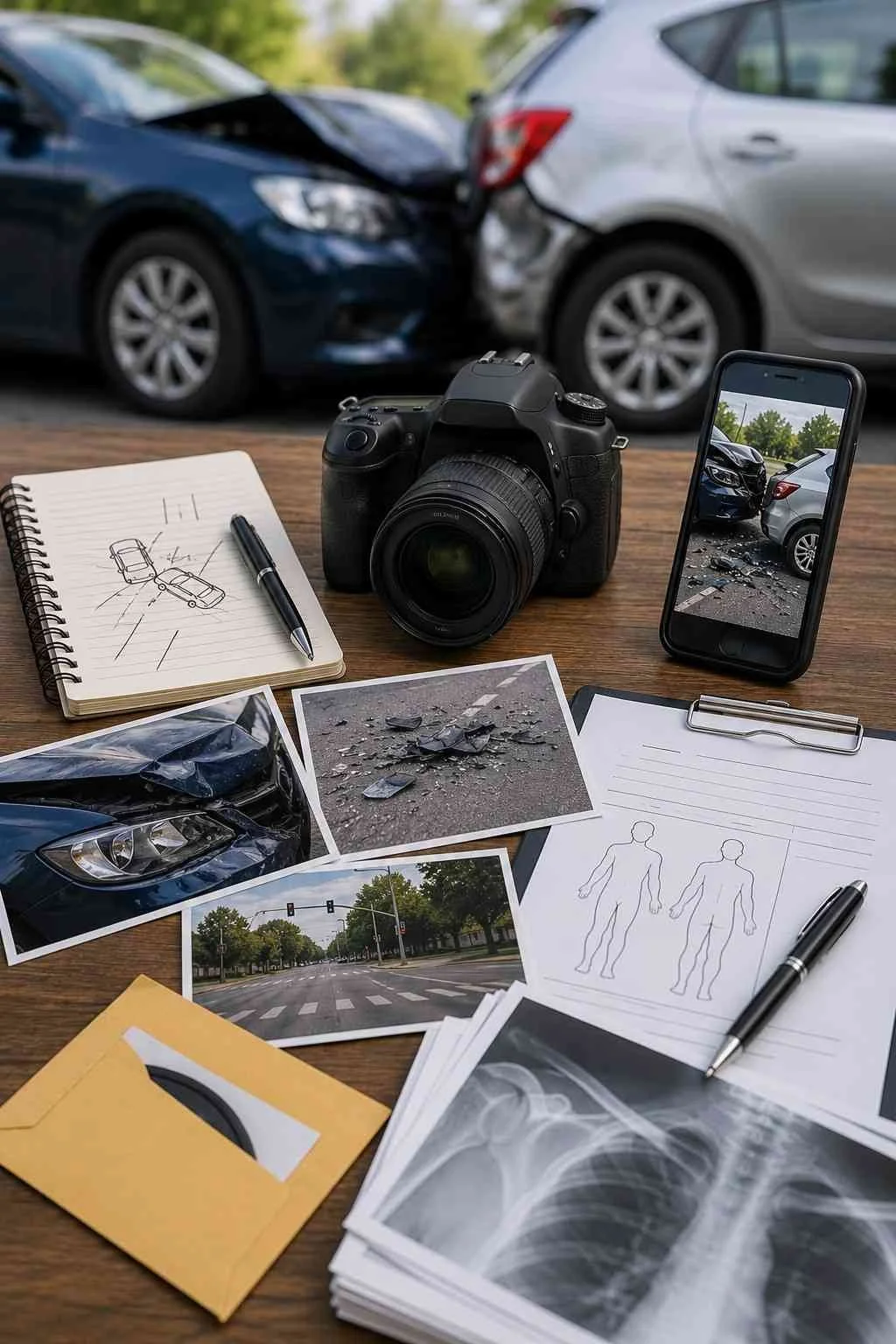
Evidence plays a critical role in establishing liability and demonstrating the impact of injuries. Accurate documentation helps investigators and insurance companies understand how an accident occurred and who may be responsible.
Common types of evidence used in accident claims include:
Police Reports
Law enforcement officers typically prepare an accident report after responding to a collision. These reports often include:
Observations from the accident scene
Statements from drivers and witnesses
Diagrams of the crash location
Preliminary conclusions about fault
Medical Records: Medical documentation establishes the connection between the accident and the injuries sustained. Records may include emergency treatment notes, diagnostic imaging results, and physician evaluations.
Photographs and Videos: Images taken at the accident scene can show vehicle damage, road conditions, skid marks, and traffic signals. These visual records often provide important context when reconstructing events.
Witness Statements: Individuals who observed the accident may provide valuable information about driver behavior and traffic conditions at the time of the crash.
Expert Analysis: In more complex cases, accident reconstruction specialists may analyze physical evidence to determine how the collision occurred.
Gathering and preserving evidence early in the process can significantly strengthen an injury claim.
The Car Accident Claim Process
Although every case is unique, many car accident claims follow a similar sequence of events. Understanding this process can help individuals anticipate the steps involved in resolving a claim.
Initial Consultation: The process often begins with a consultation in which the accident details, injuries, and available evidence are reviewed.
Accident Investigation: Attorneys and investigators collect relevant documents, including police reports, medical records, and witness statements.
Filing the Insurance Claim: The injured party submits a claim to the at-fault driver’s insurance company. Supporting documentation is provided to demonstrate damages.
Settlement Negotiations: Insurance companies and claimants may negotiate a financial settlement to resolve the case without going to court.
Filing a Lawsuit: If a settlement cannot be reached, the injured party may file a personal injury lawsuit.
Discovery Phase: During discovery, both sides exchange evidence, conduct depositions, and evaluate expert testimony.
Trial or Settlement: Many cases settle before trial. However, if a resolution is not reached, the case may proceed to court, where a judge or jury determines liability and damages.
This structured process allows both parties to present evidence and resolve disputes through legal procedures.
Challenges in Car Accident Injury Claims
While many accident claims are resolved through insurance settlements, some cases involve complications that make the process more difficult.
Common challenges include:
Disputed Liability: Drivers may disagree about who caused the accident. Conflicting statements and limited evidence can make it difficult to determine fault.
Insufficient Documentation: Incomplete medical records or missing accident documentation may weaken a claim.
Delayed Medical Treatment: Insurance companies sometimes question injury claims when medical treatment begins long after the accident.
Multiple Parties Involved: Accidents involving several vehicles can complicate the allocation of responsibility.
Long-Term Medical Recovery: Serious injuries may require extended treatment and rehabilitation, making it difficult to determine the full value of damages early in the process.
Careful documentation and thorough investigation can help address these challenges.
Long-Term Impact of Car Accident Injuries
Serious car accident injuries often affect more than immediate health. In many cases, the consequences of a collision continue long after the initial medical treatment.
Long-term effects may include:
Chronic pain or reduced mobility
Ongoing physical therapy or rehabilitation
Emotional distress or anxiety related to driving
Reduced ability to work or perform daily activities
Financial strain from medical expenses and lost income
These long-term consequences highlight the importance of fully understanding the extent of injuries before resolving an accident claim. Some individuals require months or even years of treatment before reaching maximum medical recovery.
Evaluating the full impact of injuries helps ensure that financial losses and future medical needs are accurately documented.
Challenges in Car Accident Injury Claims
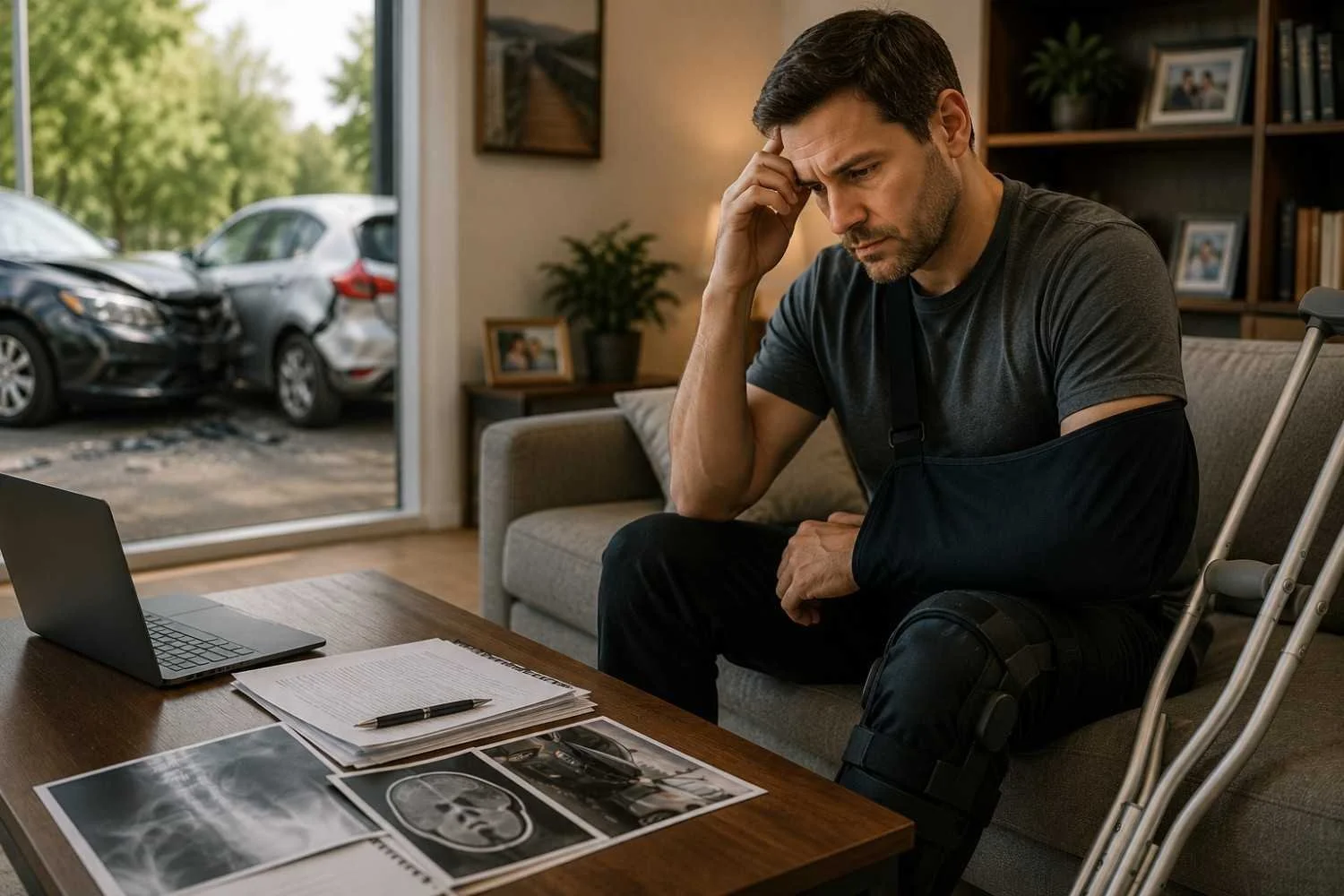
While many accident claims are resolved through insurance settlements, some cases involve complications that make the process more difficult.
Common challenges include:
Disputed Liability: Drivers may disagree about who caused the accident. Conflicting statements and limited evidence can make it difficult to determine fault.
Insufficient Documentation: Incomplete medical records or missing accident documentation may weaken a claim.
Delayed Medical Treatment: Insurance companies sometimes question injury claims when medical treatment begins long after the accident.
Multiple Parties Involved: Accidents involving several vehicles can complicate the allocation of responsibility.
Long-Term Medical Recovery: Serious injuries may require extended treatment and rehabilitation, making it difficult to determine the full value of damages early in the process.
Careful documentation and thorough investigation can help address these challenges.
Preventing Car Accidents in Montebello
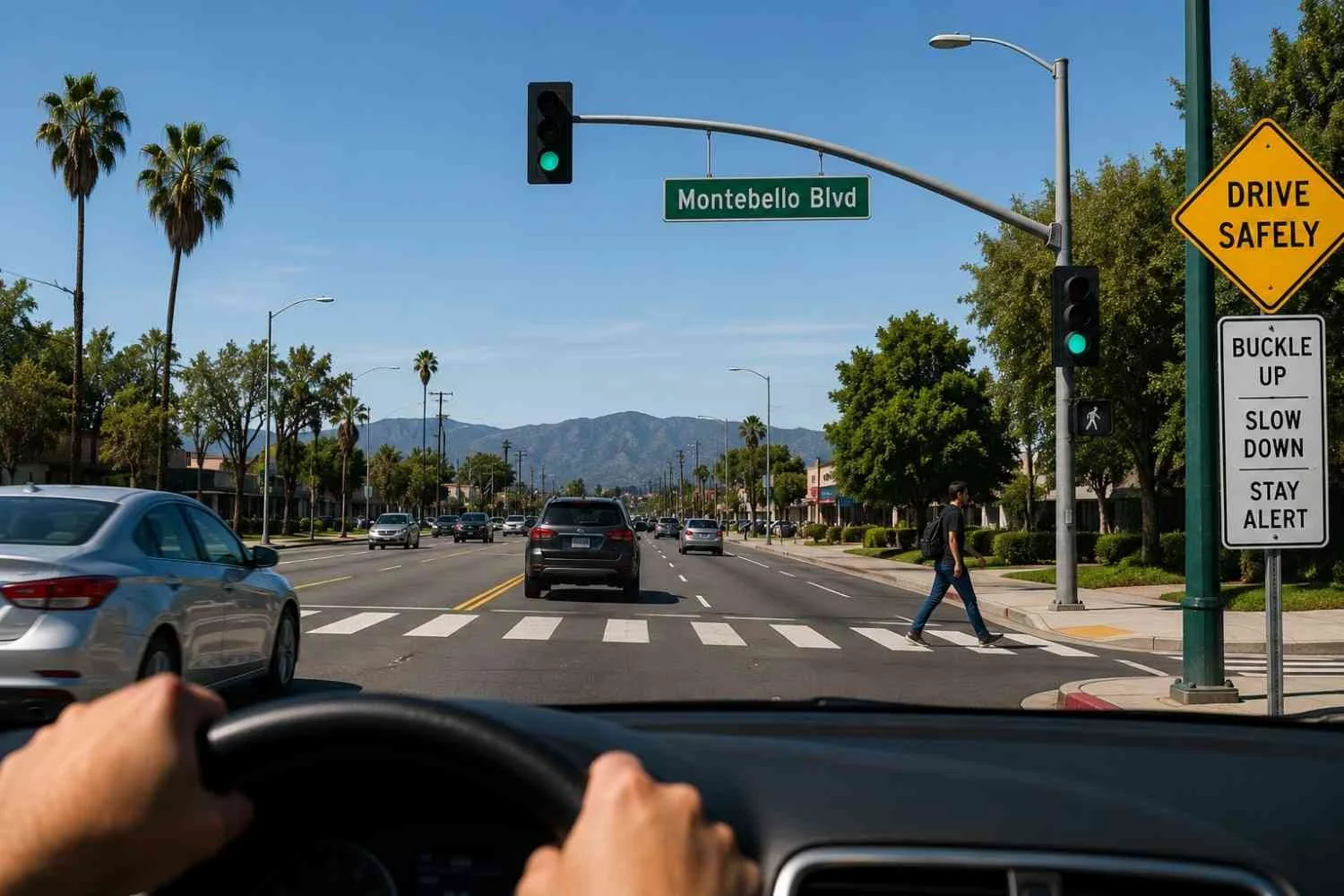
While accidents cannot always be avoided, certain safety practices may reduce the likelihood of collisions. Drivers in Montebello can take several precautions to improve road safety.
Helpful driving practices include:
Avoiding mobile phone use while driving
Following posted speed limits
Maintaining a safe following distance
Using turn signals when changing lanes
Observing traffic signals and stop signs
Ensuring vehicles receive regular maintenance
Avoiding driving while fatigued or impaired
Community awareness and responsible driving habits can play a significant role in reducing accident risks.
Schedule a Consultation With Rod Armande Law – Car Accident Attorney Montebello
If you were involved in a car accident in Montebello, consulting with Rod Armande Law can help you better understand your legal rights and available options. A Car Accident Attorney Montebello, California can review accident details, explain insurance procedures, and provide guidance under the personal injury laws of California.
Frequently Asked Questions (FAQs)
-
Most personal injury claims must be filed within two years from the date of the accident under California law.
-
Compensation may include medical expenses, lost wages, property damage, and non-economic damages such as pain and suffering.
-
Under California’s comparative negligence rule, compensation may be reduced according to each driver’s percentage of responsibility.
-
Minor accidents may be resolved through insurance claims alone. However, legal guidance may be helpful if disputes arise.
-
Police reports, medical records, witness statements, photographs, and expert analysis are commonly used to establish fault.
-
The timeline varies depending on the complexity of the case, the severity of injuries, and whether the claim settles or proceeds to court.