
Marriage Green Card Services in Hollywood, California
Obtaining lawful permanent residence through marriage is one of the most common pathways to immigration in the United States. A marriage-based green card allows a foreign national spouse to live and work permanently in the country while maintaining a legally recognized marital relationship with a U.S. citizen or lawful permanent resident. For many couples, this process represents an important step toward building a stable life together in the United States.
The legal process of applying for a marriage green card involves multiple government agencies, strict documentation requirements, and several procedural steps. Applicants must demonstrate that the marriage is genuine, meet eligibility requirements, and complete the required filings and interviews. Because immigration laws and procedures can change over time, a clear understanding of the process is essential for couples seeking lawful permanent residency through marriage.
Couples in Hollywood and the surrounding areas often seek legal information about how marriage-based immigration works and what steps are required to apply for a green card through marriage. Immigration cases in this region are typically handled by Los Angeles immigration offices and reviewed by the federal agency responsible for immigration benefits, U.S. Citizenship and Immigration Services.
Immigration attorneys, including those at Rod Armande Law, work with individuals and couples to help them understand the legal requirements, prepare the necessary documentation, and navigate the application process for a marriage-based green card case. Clear information about eligibility, required forms, and government procedures can help couples better prepare for each stage of the process.
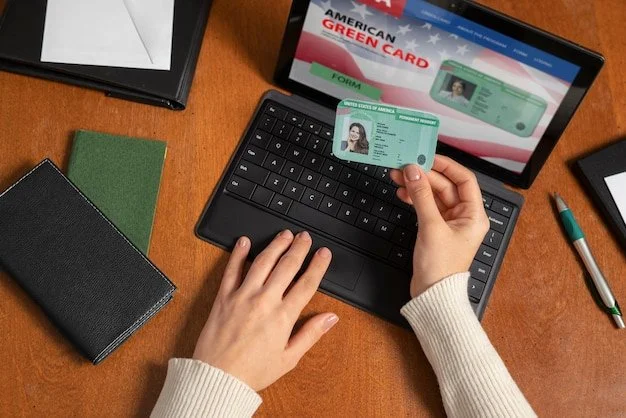
Understanding the Hollywood Marriage Green Card Process
A marriage-based green card allows the spouse of a U.S. citizen or lawful permanent resident to obtain permanent residence in the United States. Permanent residents are granted the legal right to live and work in the country indefinitely, provided they comply with immigration laws and maintain their status.
The process typically begins when a U.S. citizen or permanent resident files a petition to establish the marital relationship. This petition demonstrates to the government that a legitimate family relationship exists between the sponsoring spouse and the foreign national spouse. Once the relationship is confirmed, the foreign spouse may apply for lawful permanent residence.
Marriage-based immigration cases are generally processed through two main government systems. The first is managed by U.S. Citizenship and Immigration Services, which handles immigration petitions and adjustment-of-status applications. The second involves the U.S. Department of State, which processes immigrant visa applications for individuals applying from outside the United States through U.S. embassies and consulates.
The process also includes several verification steps to confirm the legitimacy of the marriage and the applicant's eligibility. These steps may include background checks, submission of supporting documentation, biometric appointments, and an interview with immigration officials.
While many marriage-based cases proceed smoothly, the process can vary depending on factors such as the applicant’s immigration history, whether the spouse currently resides in the United States, and whether additional documentation or waivers are required.
Eligibility for a Marriage-Based Green Card
Eligibility for a marriage green card depends on several legal requirements established under U.S. immigration law. The most important requirement is that the marriage between the sponsoring spouse and the foreign national spouse must be legally valid and recognized under the laws of the jurisdiction in which it occurred.
The sponsoring spouse must be either a U.S. citizen or a lawful permanent resident. U.S. citizens may generally sponsor their spouses without waiting for a visa number to become available. In contrast, spouses of permanent residents may be subject to annual visa limits under family-based immigration categories.
Another requirement is to demonstrate that the marriage is genuine and was not entered into solely for immigration benefits. Immigration officials evaluate this by reviewing evidence that the couple is genuinely married. This may include documents related to shared finances, joint residence, or other aspects of a shared life.
Applicants must also meet general admissibility requirements under immigration law. Certain issues, such as prior immigration violations, criminal history, or health-related grounds, may affect eligibility and require additional review or waivers.
U.S. immigration law recognizes marriages regardless of gender, meaning that same-sex marriages are treated the same as opposite-sex marriages if the marriage is legally valid in the jurisdiction where it took place.
Marriage Green Card Process Step-by-Step
Although every immigration case may have unique factors, most marriage-based green card applications follow a structured process involving several key steps.
Filing Form I-130 Petition
The first step typically involves filing Form I-130, Petition for Alien Relative. This petition establishes the qualifying family relationship between the U.S. citizen or permanent resident sponsor and the foreign national spouse. The petition is submitted to U.S. Citizenship and Immigration Services, along with documentation verifying the marriage and the identities of both spouses.
Applying for an Adjustment of Status or Immigrant Visa
After the petition is filed or approved, the next step is applying for lawful permanent residence. If the foreign spouse is already present in the United States and meets eligibility requirements, they may apply for adjustment of status. If the spouse is living outside the United States, the case typically proceeds through immigrant visa processing at a U.S. consulate.
Immigration Interview
Marriage-based green card applicants are usually required to attend an interview with an officer from U.S. Citizenship and Immigration Services. During this interview, the officer reviews the application and may ask questions about the relationship and supporting documentation.
Green Card Decision
After the interview and final review of the case, immigration authorities will issue a decision approving or denying the application. If approved, the applicant receives lawful permanent resident status and is issued a green card.
Biometrics Appointment
Most applicants are required to attend a biometrics appointment where fingerprints, photographs, and signatures are collected. Government agencies use this information to conduct background and security checks.
Adjustment of Status vs. Consular Processing
When applying for a marriage-based green card, the process typically follows one of two paths, depending on the foreign national spouse's location and immigration status. These two primary methods are Adjustment of Status and Consular Processing. Understanding the differences between these options helps applicants determine which procedure applies to their situation.
Adjustment of Status
Adjustment of Status (AOS) allows an eligible individual who is already present in the United States to apply for lawful permanent resident status without leaving the country. This process is commonly used when the foreign spouse enters the United States legally and meets the eligibility requirements to apply for permanent residency while remaining in the country.
Adjustment of status applications are submitted to U.S. Citizenship and Immigration Services. The applicant files Form I-485 along with supporting documentation and may also submit applications for employment authorization and travel permission while the green card application is pending.
Adjustment of status generally involves several steps, including:
Filing the adjustment of status application package
Attending a biometrics appointment for fingerprints and background checks
Receiving a work permit (Employment Authorization Document) in some cases
Completing an in-person interview at a local immigration office
Waiting for a final decision from immigration authorities
One advantage of adjustment of status is that the applicant can remain in the United States during the entire process. In some cases, applicants may also receive temporary work authorization while their application is under review.
However, not every foreign spouse qualifies for adjustment of status. Eligibility may depend on factors such as the manner of entry into the United States, immigration history, and compliance with immigration laws.
Consular Processing
Consular processing is used when the foreign spouse resides outside the United States or is not eligible to apply for adjustment of status inside the country. In this process, the applicant completes the immigrant visa procedure through a U.S. embassy or consulate abroad.
After the U.S. Citizenship and Immigration Services approves the marriage petition, the case is forwarded to the National Visa Center. The National Visa Center collects documentation and schedules the final immigrant visa interview at the appropriate U.S. embassy or consulate.
Consular processing generally includes the following steps:
Approval of the immigrant petition
Transfer of the case to the National Visa Center
Submission of civil documents and visa application forms
Payment of processing fees
Scheduling of a medical examination and visa interview
Attending the consular interview at a U.S. embassy or consulate
If the immigrant visa is approved, the foreign spouse may travel to the United States and receive permanent resident status upon entry.
While consular processing requires the applicant to complete part of the process abroad, it may be the only available option for spouses who live outside the United States or who do not qualify for adjustment of status.
Conditional Green Cards and Removal of Conditions
When a marriage-based green card is approved, the length and type of permanent residence granted may depend on how long the couple has been married at the time of approval. If the marriage is less than two years old when permanent residence is granted, the foreign spouse typically receives conditional permanent resident status.
Conditional residence is intended to help immigration authorities confirm that the marriage is genuine and not entered into solely for immigration purposes. Instead of a standard 10-year green card, the conditional resident receives a green card valid for 2 years.
During these two years, the conditional resident has most of the same rights and responsibilities as other permanent residents, including the ability to:
Live and work legally in the United States
Travel outside the United States and return, subject to immigration rules
Apply for a Social Security number
Establish financial and residential ties in the United States
However, before the two-year period expires, the couple must file a petition to remove the conditions on residence.
Removal of Conditions
To remove the conditions on a marriage-based green card, the couple typically files Form I-751, Petition to Remove Conditions on Residence, with U.S. Citizenship and Immigration Services. This petition must generally be filed within 90 days of the conditional green card's expiration.
The purpose of this petition is to demonstrate that the marriage remains genuine and that the couple has built a genuine marital relationship since the initial green card approval.
Supporting documentation may include evidence such as:
Joint bank account records
Lease agreements or mortgage documents
Tax returns filed jointly
Insurance policies listing both spouses
Photographs from family events or holidays
Utility bills or other shared financial responsibilities
In some situations, it may be possible to file a waiver of the joint filing requirement. Waivers may apply in cases involving divorce, domestic abuse, or other circumstances where the couple cannot file the petition together.
If the petition to remove conditions is approved, the conditional resident receives a ten-year permanent resident card, which can be renewed as needed.

Common Challenges in Marriage Green Card Applications
Marriage-based green card applications can involve multiple steps and extensive documentation. Although many cases are processed successfully, some applicants encounter challenges that require additional review or clarification by immigration authorities.
Several factors may complicate the process or lead to requests for additional evidence from U.S. Citizenship and Immigration Services.
Incomplete or Inconsistent Documentation
Applications must include detailed supporting documentation verifying both the marriage and the applicant's eligibility. Missing documents or inconsistencies between forms and supporting evidence may lead to delays.
Common documentation issues include:
Missing civil documents such as birth or marriage certificates
Inconsistent addresses listed on different forms
Lack of proof showing shared residence or finances
Incorrectly completed immigration forms
When documentation is incomplete, immigration authorities may issue a Request for Evidence (RFE) asking the applicant to submit additional information.
Prior Marriages
If either spouse has been previously married, immigration authorities require proof that the earlier marriage was legally terminated before the current marriage took place. Failure to provide proper divorce or annulment documentation can delay the application.
Immigration History Complications
Some applicants may have previous immigration issues that require careful review. These may include:
Overstaying a temporary visa
Entering the United States without inspection
Previous removal or deportation proceedings
Prior immigration petitions filed by other sponsors
Certain immigration violations may affect eligibility for adjustment of status and could require additional legal steps or waivers.
Suspected Marriage Fraud
Immigration authorities carefully review marriage-based applications to ensure the marriage is genuine. If officials suspect that a marriage was entered into solely for immigration benefits, the case may receive additional scrutiny.
Indicators that may lead to further review include:
Limited evidence of a shared life
Significant inconsistencies in interview answers
Lack of shared financial or residential ties
Prior immigration petitions involving multiple spouses
When concerns arise, immigration authorities may request additional evidence or conduct a more detailed interview.
Preparing for the Marriage Green Card Interview
The marriage green card interview is an important step in many immigration cases. The interview allows immigration officers to review the application in person and verify the authenticity of the marital relationship.
Most interviews are conducted by officers from U.S. Citizenship and Immigration Services at a local immigration office.
During the interview, the officer reviews the submitted application forms and supporting documents and may ask questions about the relationship and the couple’s daily life.
Topics Often Discussed During the Interview
Interview questions may focus on the history of the relationship and details about the couple’s shared life. Examples of topics that may be discussed include:
How and where the couple first met
When the relationship began
Details about the wedding ceremony
Daily routines and living arrangements
Employment and work schedules
Family members and close friends
The goal of these questions is to verify that the marriage is legitimate and that both spouses are familiar with each other’s lives.
Documents to Bring to the Interview
Applicants are typically asked to bring updated documentation to the interview appointment. Examples include:
Passports and government identification
Marriage certificate
Birth certificates
Updated financial records
Joint bank account statements
Lease agreements or mortgage records
Utility bills showing shared residence
Photographs documenting the relationship
Providing organized documentation can help the interview proceed efficiently.
Interview Outcomes
At the conclusion of the interview, immigration authorities may:
Approve the green card application
Request additional evidence
Continue reviewing the case before issuing a decision
In most situations, applicants receive written notification once a final decision has been made.
Documents Required for a Marriage Green Card Application
Marriage-based green card applications require a wide range of supporting documents to verify identity, marital status, and eligibility for immigration benefits. These documents help immigration officials confirm that the marriage is valid and that the applicant qualifies for permanent residence.
Although documentation requirements may vary by case, several categories of documents are commonly requested by U.S. Citizenship and Immigration Services.
Applicants must provide official documents confirming their identity and civil status. These documents often include:
Valid passports for both spouses
Birth certificates
Marriage certificate
Divorce decrees or annulment records for prior marriages
Government-issued identification documents
These records establish the identities of both spouses and confirm that the marriage is legally valid.
Financial Sponsorship Documents
Evidence of a Genuine Marriage
Marriage-based green card applications typically involve several forms submitted to immigration authorities. These may include:
Form I-130, Petition for Alien Relative
Form I-485, Application to Register Permanent Residence or Adjust Status
Form I-864, Affidavit of Support
Form I-765, Application for Employment Authorization (optional)
Form I-131, Application for Travel Document (optional)
Each form must be completed accurately and supported by the appropriate documentation.
Identity and Civil Documents
The sponsoring spouse must demonstrate the ability to support the immigrant spouse financially. This requirement helps ensure that the immigrant will not become dependent on public benefits.
Financial evidence may include:
Federal tax returns
W-2 forms or income statements
Employment verification letters
Pay stubs
Bank account statements
If the sponsor’s income does not meet the required threshold, a joint sponsor may sometimes be used.
Immigration Forms
One of the most important parts of the application involves providing proof that the marriage is genuine. Evidence may include:
Joint bank accounts
Shared lease agreements or mortgage documents
Joint insurance policies
Utility bills showing both names
Photographs taken during the relationship
Travel records showing trips taken together
Providing consistent documentation demonstrating a shared life can help immigration officials verify the authenticity of the relationship.
Marriage Green Card Processing Times
Processing times for marriage-based green cards vary depending on several factors, including the applicant’s location, the type of application filed, and the workload of the immigration offices involved.
Applications processed through U.S. Citizenship and Immigration Services may take several months to more than a year, depending on the case and the local immigration office handling the application.
Several factors can influence processing times, including:
Whether the sponsoring spouse is a U.S. citizen or permanent resident
Whether the applicant is applying through adjustment of status or consular processing
The completeness and accuracy of the submitted application
Background and security check requirements
The availability of interview appointments
Consular processing cases may follow a different timeline because they involve additional coordination between immigration authorities and U.S. embassies or consulates abroad.
Applicants can typically monitor the status of their applications through official case-tracking systems provided by immigration authorities. While processing times vary, submitting a complete and accurate application can help reduce unnecessary delays.
Speak With an Immigration Attorney About Marriage Green Cards
Couples seeking guidance on the marriage-based green card process may benefit from discussing their situation with an immigration attorney. The legal team at Rod Armande Law assists individuals in Hollywood by explaining immigration procedures, eligibility requirements, and the documentation required for family-based permanent residence applications.
Frequently Asked Questions - Marriage Green Card Hollywood, California
-
A marriage green card allows the spouse of a U.S. citizen or lawful permanent resident to live and work permanently in the United States. U.S. Citizenship and Immigration Services manages the process and may involve filing family-based immigration petitions and attending an interview.
-
A foreign national may apply for a marriage green card if they are legally married to a U.S. citizen or lawful permanent resident. The marriage must be valid under the law of the place where it occurred and must be a genuine relationship.
-
Processing times vary depending on factors such as the applicant’s location, case complexity, and government workload. Applications handled by U.S. Citizenship and Immigration Services can take several months to over a year in some cases.
-
Adjustment of status allows eligible applicants already in the United States to apply for permanent residence without leaving the country. Consular processing is used when the foreign spouse completes the immigrant visa process through a U.S. embassy or consulate abroad.
-
In most marriage-based cases, both spouses attend the interview conducted by U.S. Citizenship and Immigration Services. The interview allows immigration officers to confirm the authenticity of the marriage and review application details.
-
If the marriage is less than two years old at the time permanent residence is granted, the immigrant spouse typically receives a conditional green card valid for two years. The couple must later apply to have these conditions removed.
-
Common documents include passports, birth certificates, marriage certificates, immigration forms, and evidence of a shared life, such as joint financial records or lease agreements. Requirements may vary depending on the case.
-
In many adjustment of status cases, the applicant may apply for employment authorization while the green card application is being processed by U.S. Citizenship and Immigration Services.
-
Immigration authorities may issue a Request for Evidence (RFE) if additional documentation is needed. The applicant must submit the requested information within the specified timeframe to continue processing the application.