
Green Card Attorney Koreatown, California
Obtaining lawful permanent residency in the United States is a major step for individuals and families seeking long-term stability, employment opportunities, and legal residence in the country. A green card, officially known as a Permanent Resident Card, allows foreign nationals to live and work in the United States permanently while receiving important legal protections under U.S. immigration law.
Working with a knowledgeable Green Card Attorney in Koreatown, California, can help applicants better understand the immigration process, eligibility requirements, and the documentation necessary for permanent residency applications. Immigration law involves detailed procedures, government regulations, and strict filing requirements that applicants must follow carefully throughout the process.
Koreatown, located in Los Angeles, California, is home to a large and diverse immigrant community. Many residents pursue permanent residency through family sponsorship, marriage, employment opportunities, humanitarian programs, or other immigration pathways. Because immigration matters often involve complex legal procedures, individuals frequently seek guidance regarding green card applications, adjustment of status, consular processing, and immigration interviews.
The green card process may involve multiple government agencies, including U.S. Citizenship and Immigration Services (USCIS), the National Visa Center, and U.S. embassies or consulates abroad. Applicants are generally required to submit forms, supporting evidence, identity documents, and financial records while complying with current immigration regulations.
Errors, incomplete paperwork, or missing documents can result in delays or requests for additional evidence. Understanding the immigration process and preparing applications carefully can help applicants avoid common complications during the permanent residency process.

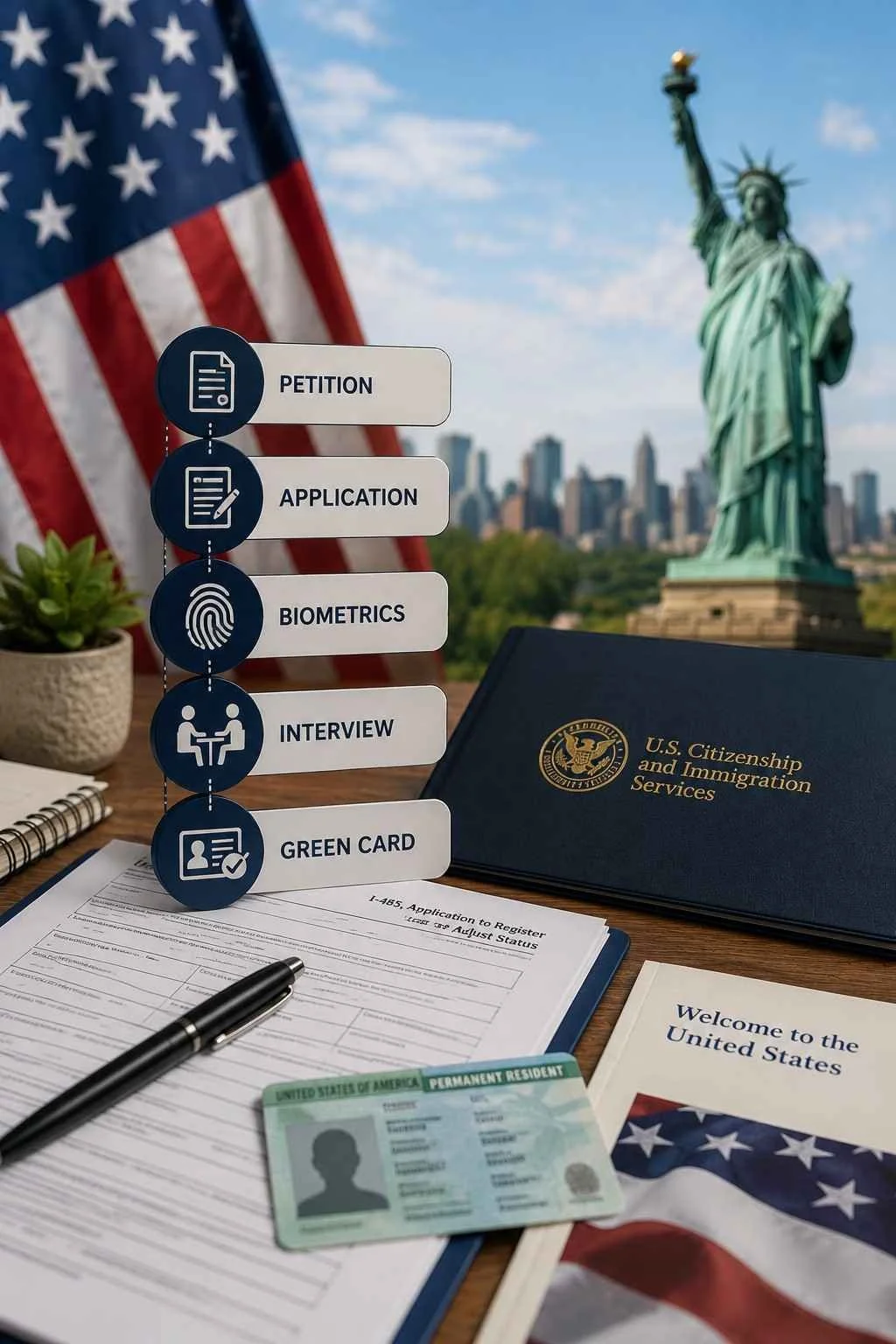
Understanding the Green Card Process in the United States
The U.S. immigration system provides several pathways for eligible individuals to obtain lawful permanent residency. Once approved, green card holders are legally permitted to live and work in the United States indefinitely, provided they maintain compliance with immigration laws.
A green card holder may generally:
Live permanently in the United States
Work for most U.S. employers without additional authorization
Travel internationally and return to the United States under certain conditions
Sponsor qualifying family members for immigration benefits
Apply for U.S. citizenship after meeting eligibility requirements
The process of obtaining a green card often begins with an immigrant petition filed by a qualifying family member, employer, or sponsor. After petition approval and visa availability, applicants may complete either adjustment of status within the United States or consular processing through a U.S. embassy or consulate abroad.
A Green Card Attorney in Koreatown, California, may help applicants understand the legal requirements associated with their immigration category and prepare the documentation needed throughout the application process.
Types of Green Cards Available
Family-Based Green Cards
Family-sponsored immigration is one of the most common ways individuals obtain permanent residency in the United States. U.S. citizens and lawful permanent residents may sponsor certain qualifying relatives for a green card.
Immediate relatives of U.S. citizens include:
Spouses of U.S. citizens
Unmarried children under 21 years old
Parents of U.S. citizens who are at least 21 years old
Other family preference categories include:
Married sons and daughters of U.S. citizens
Unmarried adult children of U.S. citizens
Brothers and sisters of U.S. citizens
Spouses and unmarried children of lawful permanent residents
Family-based immigration cases often begin with Form I-130, Petition for Alien Relative. After approval and visa availability, applicants may continue the permanent residency process.
Marriage-Based Green Cards
Marriage to a U.S. citizen or lawful permanent resident is another common pathway to permanent residency. Immigration authorities carefully review marriage-based cases to confirm that the relationship is legitimate.
Applicants may need to submit documents such as:
Marriage certificates
Joint bank account statements
Shared lease agreements
Insurance records
Family photographs
Communication records
If the marriage is less than two years old at the time of approval, the applicant may receive conditional permanent residency valid for two years.
Employment-Based Green Cards
Employment-based immigration provides opportunities for professionals, skilled workers, executives, investors, and individuals with specialized qualifications to obtain permanent residency.
Employment-based categories may include:
Individuals with extraordinary ability
Outstanding professors and researchers
Multinational managers and executives
Professionals with advanced degrees
Skilled workers and specialized employees
Immigrant investors under certain programs
Some employment-based applications require labor certification through the U.S. Department of Labor to demonstrate that hiring a foreign worker will not negatively affect U.S. workers.
A Green Card Attorney Koreatown California may assist applicants and employers with immigration petitions, supporting evidence, and compliance with immigration regulations.
Humanitarian and Special Category Green Cards
Certain individuals may qualify for permanent residency through humanitarian protections or special immigration programs.
Examples include:
Refugees and asylees
Victims of qualifying crimes
Survivors of domestic abuse under immigration protections
Special immigrant juveniles
Diversity visa lottery recipients
Each immigration category has unique eligibility standards and documentation requirements established under U.S. immigration law.
Adjustment of Status vs. Consular Processing
Adjustment of Status
Adjustment of status allows eligible individuals already present in the United States to apply for permanent residency without leaving the country.
This process generally involves filing Form I-485 with USCIS and attending a biometric appointment for fingerprints and photographs.
Applicants may also apply for:
Employment Authorization Documents (EAD)
Advance Parole travel authorization
In many cases, applicants must attend an interview at a USCIS field office before receiving a final decision.
Adjustment of status may provide important benefits for applicants already living in the United States because they can remain in the country while their application is pending. Applicants must continue complying with immigration laws throughout the process and ensure all forms and supporting documents are submitted accurately. USCIS may request additional evidence or schedule interviews before issuing a final decision. Proper preparation can help applicants avoid delays or procedural complications during the adjustment process.
Consular Processing
Consular processing applies to individuals seeking permanent residency from outside the United States through a U.S. embassy or consulate.
Typical steps include:
Filing and approval of the immigrant petition
Transfer of the case to the National Visa Center
Submission of financial and civil documents
Medical examination
Immigration interview at a U.S. consulate or embassy
If approved, the applicant receives an immigrant visa allowing entry into the United States as a lawful permanent resident.
Consular processing may vary depending on the applicant’s country of origin, embassy procedures, and immigration category. Applicants are generally required to complete medical examinations, provide police clearance certificates, and attend interviews with consular officers abroad. Properly preparing civil documents and financial sponsorship forms is important to avoid unnecessary delays. A Green Card Attorney in Koreatown, California, may assist applicants in understanding the requirements associated with international immigration processing procedures.
Documents Required for a Green Card Application
Proper documentation is essential during the green card process. Immigration authorities use submitted records to verify eligibility, identity, family relationships, employment history, and immigration compliance.
Commonly required documents include:
Valid passport
Birth certificate
Marriage or divorce records
Immigration history documents
Affidavit of Support forms
Employment verification records
Medical examination reports
Police clearance certificates in some cases
Applicants may also need certified English translations for foreign-language documents.
A Green Card Attorney Koreatown California may help review immigration forms and supporting evidence before submission to reduce the risk of delays or requests for additional evidence.


Green Card Interviews
Many green card applicants must attend an interview with immigration officials. The interview allows USCIS officers or consular officials to review the application and verify eligibility.
Topics discussed during interviews may include:
Immigration history
Personal background information
Family relationships
Employment information
Supporting documents submitted with the application
Marriage-based green card interviews often involve questions regarding the couple’s relationship, residence, finances, and shared activities.
Applicants are generally expected to provide accurate answers and bring original documents to the interview appointment.
Conditional Green Cards and Removal of Conditions
Conditional permanent residency commonly applies to marriage-based cases where the marriage is less than two years old at the time the green card is issued.
Conditional green cards remain valid for two years. Before expiration, applicants must file a petition to remove conditions and demonstrate the authenticity of the marriage.
Supporting evidence may include:
Joint tax returns
Shared financial accounts
Lease or mortgage agreements
Utility bills
Family photographs and travel records
Failure to timely remove conditions may affect permanent resident status.
Green Card Processing Times
Green card processing times vary significantly depending on the applicant’s immigration category, visa availability, government workload, and case complexity. Some applicants may receive approval within several months, while others may wait years due to visa backlogs and annual immigration limits.
Factors affecting processing times may include:
Family-based or employment-based category
Country of origin
USCIS workload and processing backlogs
Requests for additional evidence
Security and background checks
Visa availability under federal immigration quotas
Applicants may monitor case progress through official government tracking systems provided by USCIS or the Department of State. Immigration timelines may also change due to updates in immigration policy or government processing priorities. Understanding expected processing periods can help applicants prepare for upcoming steps in the immigration process and maintain compliance with filing requirements while awaiting decisions on their applications.
Common Challenges in Green Card Applications
The green card process can involve several legal and procedural challenges, even for applicants who meet the eligibility requirements. Immigration laws are highly detailed, and small mistakes in forms or documentation may lead to delays or complications during the application process.
Common challenges may include:
Missing or incomplete documentation
Errors in immigration forms
Requests for additional evidence from USCIS
Visa overstays or prior immigration violations
Delays caused by security reviews or background checks
Changes in employment or marital status during processing
Applicants in family preference categories may also experience long waiting periods due to annual visa limits. Employment-based applicants may face additional complications involving labor certification or employer sponsorship requirements. A Green Card Attorney in Koreatown, California, may assist applicants in understanding potential legal concerns, responding to government notices, and preparing accurate immigration filings to reduce unnecessary delays throughout the permanent residency process.

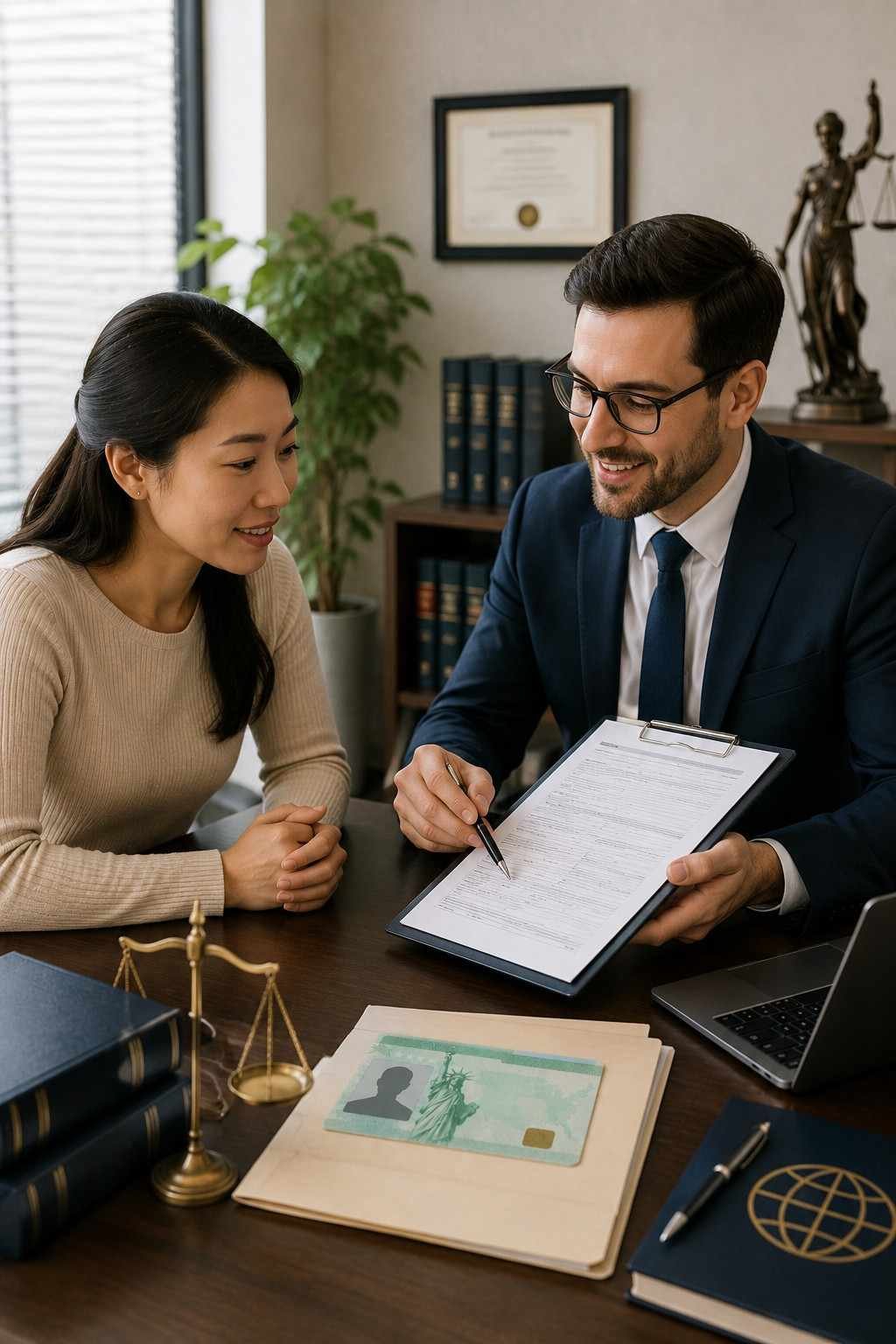
How a Green Card Attorney Can Help
Immigration law involves detailed regulations, strict filing deadlines, and extensive documentation requirements. Many individuals seek legal guidance to better understand the green card process and avoid mistakes that could affect their immigration status.
A Green Card Attorney in Koreatown, California, may assist clients with:
Reviewing eligibility for permanent residency
Preparing immigration petitions and applications
Organizing supporting documentation
Responding to USCIS requests for evidence
Preparing applicants for immigration interviews
Assisting with adjustment of status or consular processing
Monitoring case progress and procedural updates
Legal professionals may also help identify immigration options based on family relationships, employment opportunities, humanitarian protections, or other immigration categories. Because immigration policies and government procedures can change over time, applicants often benefit from updated guidance regarding filing requirements, processing timelines, and compliance with current immigration laws.
Benefits of Obtaining a Green Card
Obtaining lawful permanent residency provides several important advantages for immigrants who wish to establish long-term residence in the United States. Green card holders receive legal authorization to live and work in the country indefinitely, provided they continue to comply with immigration laws and maintain their permanent resident status.
Benefits of permanent residency may include:
Living permanently in the United States
Working for most employers without additional authorization
Traveling internationally and returning to the United States
Sponsoring certain family members for immigration benefits
Access to educational opportunities and some public benefits
Eligibility to apply for U.S. citizenship after meeting residency requirements
Permanent residents also receive protection under federal and state laws. Many individuals pursue permanent residency to create greater stability for themselves and their families while building long-term educational, professional, and financial opportunities within the United States.

Immigration Services for Residents of Koreatown, California
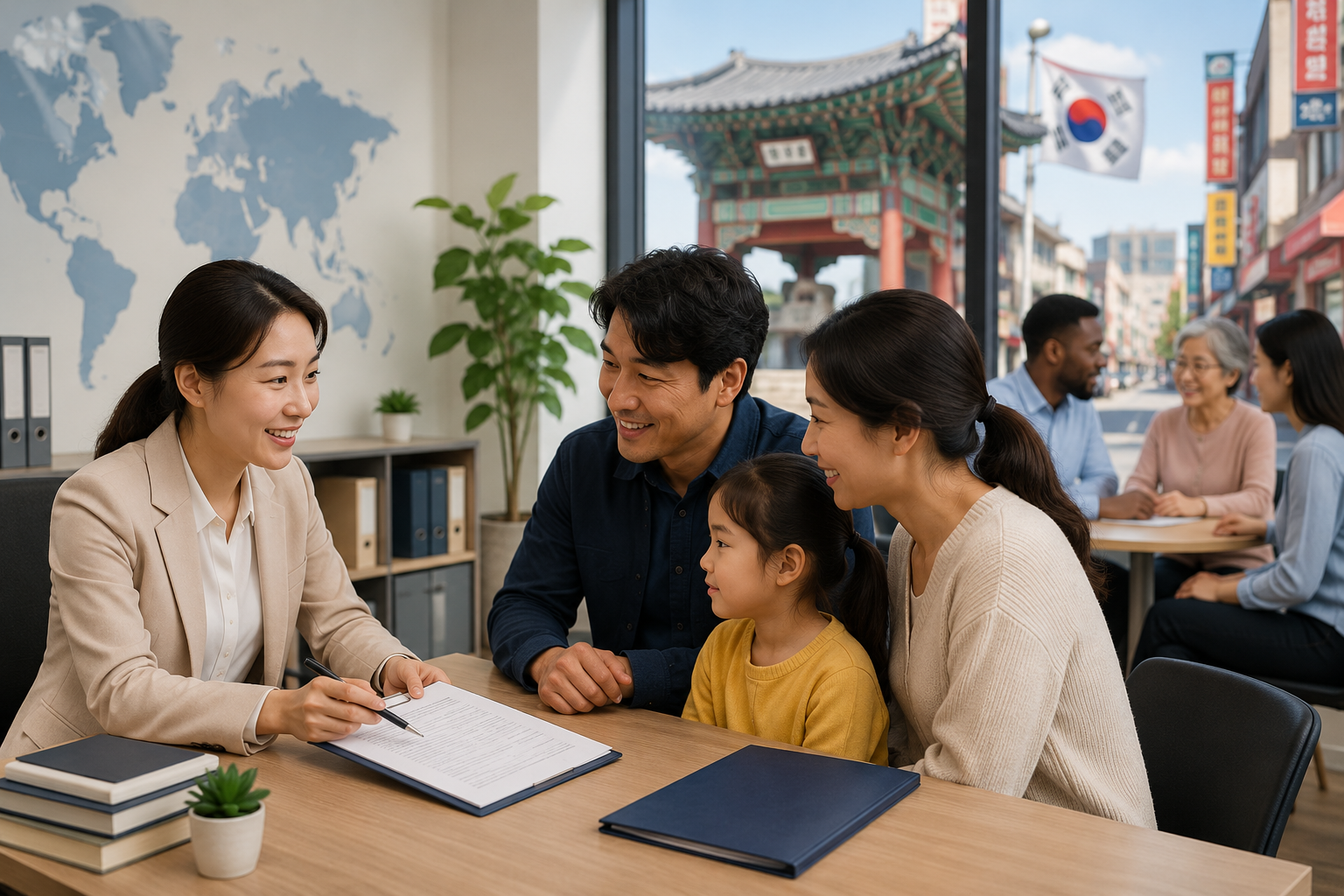
Koreatown in Los Angeles is known for its culturally diverse population and strong immigrant community. Many residents pursue immigration solutions related to family reunification, employment opportunities, humanitarian protections, and permanent residency applications.
Immigration matters commonly addressed by residents in Koreatown may include:
Family-based immigration petitions
Marriage-based green card applications
Employment-based immigration cases
Adjustment of status applications
Consular processing for overseas applicants
Removal of conditions on permanent residency
Because immigration regulations and procedures may change over time, many individuals seek updated information regarding legal requirements and filing procedures. A Green Card Attorney in Koreatown, California, may help applicants understand available immigration pathways, organize documentation, and prepare applications according to current immigration regulations and government procedures.
Get Trusted Immigration Guidance with Rod Armande Law
Navigating the permanent residency process can be challenging without accurate legal information and proper preparation. Rod Armande Law assists individuals and families in understanding green card eligibility, immigration procedures, supporting documentation, and government filing requirements. Whether you are applying through family sponsorship, marriage, employment, or another immigration category, working with a Green Card Attorney in Koreatown, California, can help you stay informed throughout every stage of the immigration process. Contact Rod Armande Law today to schedule a consultation and learn more about your available immigration options.
Frequently Asked Questions About Green Cards in Koreatown, California
-
A green card is a Permanent Resident Card that allows eligible foreign nationals to live and work permanently in the United States.
-
Processing times vary depending on the immigration category, government workload, and visa availability. Some cases may take months, while others may require several years.
-
Yes. Lawful permanent residents may generally work for most U.S. employers without separate work authorization.
-
Many green card holders may apply for naturalization after meeting residency and legal eligibility requirements.
-
Immigration authorities generally provide a reason for the denial. Depending on the case, applicants may be eligible to appeal, file motions, or reapply.
-
Eligible applicants applying through adjustment of status may remain in the United States while their application is pending, subject to immigration rules and procedures.